Category 1, 2, 3 Water Damage: What Saratoga Springs Homeowners Should Know
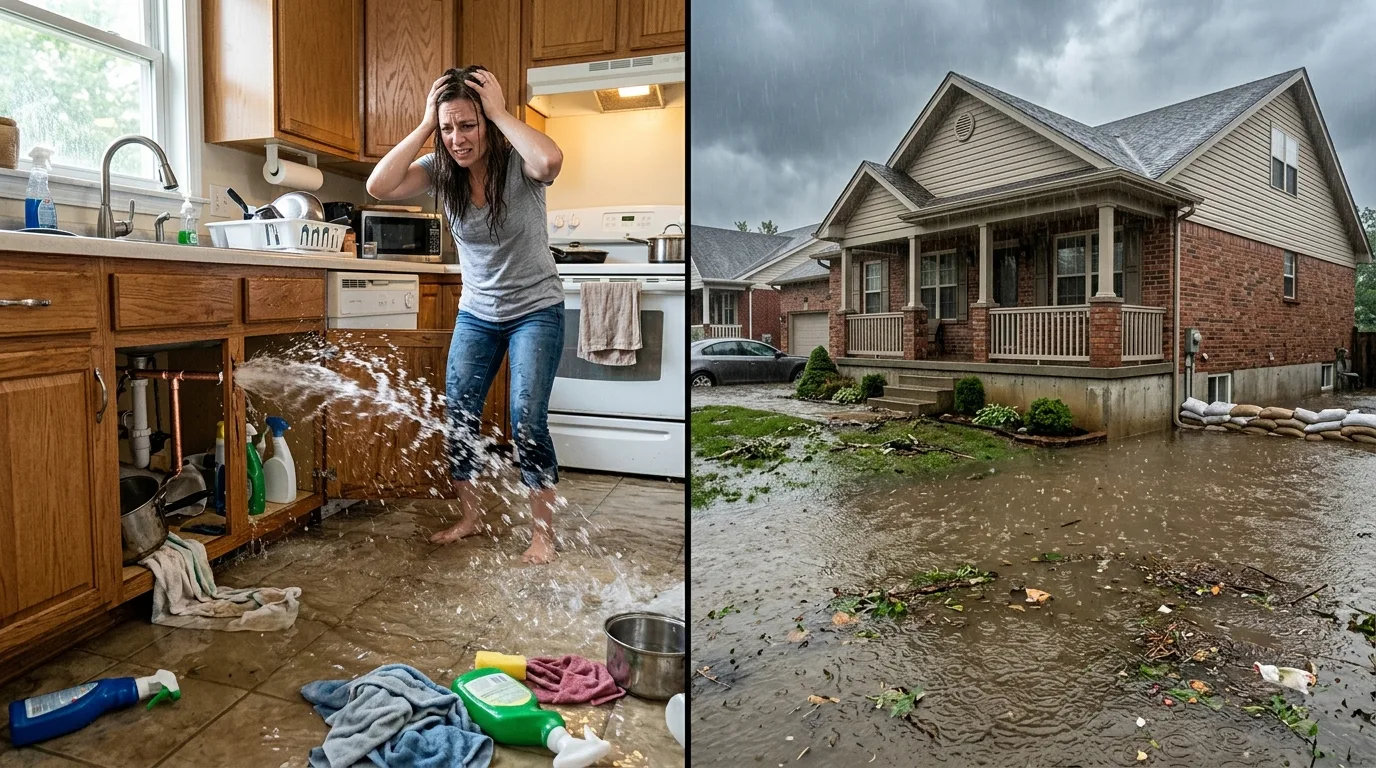
When a water damage restoration professional says your flooded basement is “Category 2,” they’re not talking about severity — they’re talking about the contamination level of the water, which determines the cleanup protocols required, which materials can be saved versus must be removed, and what the total remediation cost will be. Understanding these categories helps Saratoga Springs homeowners know what to expect from the restoration process and why certain decisions are made. In this post, we cover each category, common sources in Utah County, and the real-world implications for your home and insurance claim.
Water Damage Assessment in Saratoga Springs — We Classify It Correctly
Accurate water classification determines the right restoration approach. Call (877) 698-1311 for a professional assessment.
Why Water Damage Categories Matter
The IICRC S500 Standard — the professional framework followed by certified water damage restoration companies — establishes three categories of water contamination. These categories govern which materials can be dried in place versus must be removed, what sanitization is required, and whether personal protective equipment is mandatory for restoration workers.
Getting the classification wrong has real consequences. Treating Category 2 water damage with Category 1 protocols — drying materials that should be removed — leaves contaminated organic material in your wall cavities. That material supports mold growth and bacterial activity that will cause health issues and structural damage long after the restoration appears complete.
In Saratoga Springs specifically, the spring snowmelt flooding events that affect neighborhoods near Utah Lake often involve water that transitions between categories during the event — clean rainwater runoff that contacts soil contaminants as it flows, or drainage system overflows that carry varying levels of contamination. Accurate classification by a trained professional protects both homeowner health and the integrity of the restoration.
Category 1: Clean Water
Source types: Fresh water supply lines, water heater cold supply, toilet tank (not bowl) overflow, rainfall or snowmelt without soil contact, refrigerator ice maker supply lines.
Contamination level: None — this water poses no significant health risk from contact.
Restoration approach: Category 1 water damage allows the most flexible approach. Porous materials — drywall, carpeting, wood framing — can potentially be dried in place if restoration begins within 24–48 hours and moisture levels are confirmed at acceptable levels throughout the material. Rapid response is still critical because Category 1 water that is not dried quickly can become Category 2 as it contacts organic materials and time allows microbial activity to begin.
Common Saratoga Springs sources: Burst supply lines from January freeze-thaw cycles, water heater failures in utility rooms, dishwasher or washing machine supply line failures, refrigerator ice maker line failures.
Typical cost range: $3–$7.50/sq ft for extraction and drying; $20–$37/sq ft for reconstruction. Burst pipe events typically run $5,000–$70,000 depending on runtime and affected area.
Category 2: Gray Water
Source types: Washing machine discharge overflow, dishwasher drain overflow, toilet bowl overflow (no feces), aquarium overflow, sump pump failure with mildly contaminated water.
Not Sure What Category Your Water Damage Is? We'll Assess It Free
Professional water classification and restoration planning for Saratoga Springs and Utah County homeowners. (877) 698-1311.
Contamination level: Moderately contaminated. Contains microorganisms, chemicals, or physical contaminants that can cause discomfort or illness if contacted. Direct skin contact is discouraged; ingestion presents real risk.
Restoration approach: Category 2 tightens the decision window for material retention. Porous materials contacted by Category 2 water should be removed if drying cannot be initiated within a very short timeframe (often 24 hours or less). Carpeting is typically removed regardless — the backing and padding under carpet absorb Category 2 water and cannot be adequately sanitized. Drywall removal depends on contact time and moisture levels. All materials that dry in place require antimicrobial treatment.
Common Saratoga Springs sources: Washing machine overflow (the most common Category 2 event in Utah County), dishwasher drain backup, sump pump failure during spring snowmelt, toilet overflow from line blockage.
Typical cost range: 20–40% higher than Category 1 for equivalent affected areas due to additional material removal and antimicrobial treatment.
Category 3: Black Water (Contaminated/Sewage)
Source types: Sewage backup through floor drains or toilet fixtures, outdoor floodwater that has contacted soil or surfaces, groundwater intrusion, wind-driven rainwater, seawater.
Contamination level: Severely contaminated. Contains pathogenic agents — bacteria, viruses, parasites — that pose serious health risks. Physical contact without protective equipment is not safe.
Restoration approach: All porous materials contacted by Category 3 water must be removed and disposed of as biohazardous waste — no exceptions. This includes all carpeting and pad, all drywall below the water line, all insulation, and wood materials in severe cases. All hard surfaces require multiple rounds of antimicrobial treatment with EPA-registered disinfectants. Full PPE is required for restoration workers throughout the cleanup. Post-remediation testing confirms safe pathogen levels before reconstruction.
Common Saratoga Springs sources: Municipal sewer backup through floor drains during spring snowmelt system overloads, outdoor flooding during monsoon events that contacts soil contaminants, sewage line failures. Saratoga Springs’s spring snowmelt pattern, where drainage systems are overwhelmed and sewage can route through floor drains, makes this category more common here than in areas without seasonal drainage overload.
Typical cost range: Significantly higher than Category 1 for equivalent areas — biohazard protocols, PPE, mandatory material removal, and post-cleanup testing all add cost. Sewage cleanup in Saratoga Springs typically runs $2,000–$15,000 depending on affected area.
How Categories Can Change
Categories can escalate during the event or during the restoration process. Category 1 water from a burst supply pipe becomes Category 2 within 24–48 hours as it contacts organic materials and bacteria multiply in the wet environment. Category 2 water that enters a sewer drainage system or contacts sewage becomes Category 3 immediately.
This escalation is another reason why rapid response dramatically affects total remediation costs — Category 1 water that is extracted within 2 hours can often be dried in place; the same volume of water extracted 24 hours later is likely Category 2 and requires material removal decisions that increase the project scope.
How Categories Affect Your Insurance Claim in Utah
All three categories of sudden, accidental water damage are generally covered by standard homeowners insurance in Utah County — the category affects the scope of covered work (Category 3 requires full material removal and biohazard protocols) but not necessarily whether the event is covered. The exception is outdoor flooding — Category 3 floodwater from outside the home falls under flood insurance, not homeowners insurance, regardless of contamination level.
For detailed coverage guidance, see our post on homeowners insurance for water damage in Utah.
Frequently Asked Questions
How does a restoration professional determine which category my water damage is?
Category determination is based on the identified source of the water, the pathway it traveled (whether it contacted soil, surfaces, or sewage connections), and the time since the event began. Visual inspection of the water source and surrounding conditions typically allows experienced professionals to classify accurately. In ambiguous cases — floodwater that may or may not have contacted sewage — Category 3 protocols are used because the consequence of under-treating Category 3 contamination is severe.
Can I choose to skip the material removal required for Category 2 or 3 damage?
Technically you can make that decision as a homeowner for Category 2 damage. However, restoration professionals and insurance carriers will not warrant work that doesn’t follow IICRC standards. If materials classified for removal are retained and later produce mold, that outcome is not covered as a new claim — it’s a consequence of the original event handled improperly. For Category 3, the health risk from retained contaminated materials is serious — this is not an area where cutting corners is appropriate.
Does the category affect how long drying takes in Saratoga Springs?
Indirectly — Category 2 and 3 jobs involve more material removal, which can actually reduce drying time because contaminated materials are removed rather than dried. However, the total project timeline (extraction + material removal + sanitization + drying + reconstruction) is longer for higher categories. Category 3 events with significant sewage contamination can take 7–14 days from initial response to clearance testing before reconstruction begins.
Understanding Your Water Damage Category Starts with a Free Assessment
We classify, document, and restore water damage in Saratoga Springs correctly the first time. Call (877) 698-1311.
Related: