Spring Snowmelt Flooding in Saratoga Springs: Homeowner Guide
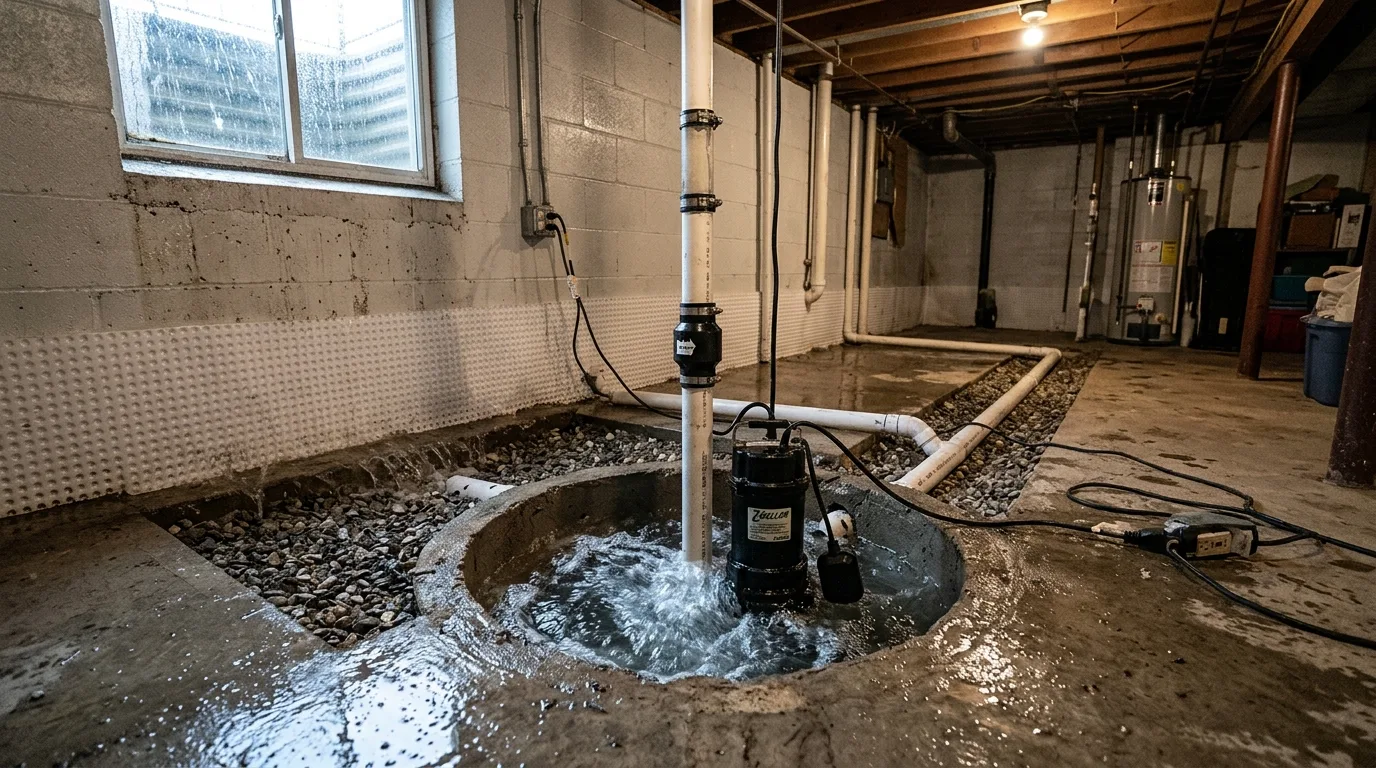
April is the cruelest month for Saratoga Springs homeowners — it’s when Wasatch Mountain snowmelt peaks, spring rains arrive, and residential drainage systems across Utah County face their highest load of the year. In this post, we cover why spring flooding hits Saratoga Springs particularly hard, which neighborhoods are most at risk, what you can do before the water rises, and exactly what to do if your basement floods.
Water in Your Basement? We Respond 24/7 in Saratoga Springs
Emergency flood cleanup for Saratoga Springs and all of Utah County. Call (877) 698-1311 now.
Why Spring Snowmelt Flooding Matters for Saratoga Springs Homeowners
Saratoga Springs receives just 13.47 inches of precipitation annually — drier than the national average — but the timing of that precipitation creates outsized flood risk. April is the city’s wettest month, with a 26% daily chance of precipitation. More importantly, April coincides exactly with peak snowmelt from the Lake Mountains to the east and the Wasatch Range to the north. The runoff from these two sources combines with spring rain on ground that is either still frozen or already saturated, creating more surface water than the city’s drainage infrastructure can absorb quickly.
The result is predictable: basement flooding, overwhelmed storm drains, and water intrusion through foundation walls and window wells throughout Saratoga Springs every spring. Neighborhoods like Ridgehorne and Wildflower, which sit at slight topographic low points relative to surrounding streets, accumulate runoff from multiple directions during peak events. The timing — March through May — is when water damage restoration calls in Saratoga Springs peak annually, and the pattern repeats every year.
Types of Spring Flooding in Saratoga Springs
Surface runoff flooding: Melting snow and spring rain combine on impermeable surfaces — streets, driveways, compacted soil — and flows toward low points. Window wells without adequate drainage are the most common entry point for surface water into basements.
Storm drain overflow: When rainfall rates exceed the capacity of municipal storm drains, overflow routes toward adjacent structures. Homes on streets where storm drain grates are near the low point of a drainage basin are most vulnerable.
Foundation seepage: The Lake Bonneville clay soils that underlie Utah County saturate during spring runoff and press against foundation walls with hydrostatic pressure. Water migrates slowly through concrete block and poured concrete, causing damp walls and seeping floors without any obvious entry point.
Sewer backup: When storm drainage systems are overwhelmed, overflow can route through sanitary sewer connections into basement floor drains and toilet fixtures — a Category 3 sewage event that requires professional biohazard cleanup.
Practical Flood Preparation Steps for Saratoga Springs Homes
-
Clean gutters and downspouts before March: Debris-clogged gutters overflow and deposit water along the foundation. Downspouts should terminate at least 6 feet from the house and drain toward the street, not toward the foundation.
-
Check window well drainage: Window wells fill rapidly during heavy rain and snowmelt. Clear debris from drain grates and confirm drains are functional before spring begins. Window well covers reduce water entry significantly.
-
Test your sump pump before March: Most Saratoga Springs basements have sump pumps that sit idle all winter. Test it now by pouring water into the pit to confirm the float activates and the pump evacuates water. Install a battery backup pump if you don’t have one.
-
Inspect the foundation perimeter grading: Soil adjacent to foundation walls should slope away from the house at approximately 1 inch per foot for the first 6 feet. Settled soil that grades toward the foundation channels runoff directly against concrete walls.
-
Know your shutoff locations: If a pipe fails during a freeze-thaw cycle, you need to reach the main water shutoff within seconds. Make sure every adult in the household knows where it is and that it operates freely.
How to Choose Between DIY and Professional Flood Cleanup
Flooded Basement in Saratoga Springs? Time Is Critical
Every hour water sits compounds damage and mold risk. Call our Utah County team at (877) 698-1311.
Minor surface water — a small amount on a concrete basement floor from a window well overflow — can sometimes be addressed with a wet/dry vac and a portable dehumidifier if addressed within 1–2 hours. Beyond that threshold, professional cleanup is the only appropriate response.
The critical variable is whether water has contacted drywall, wood framing, insulation, or carpeting. These materials absorb water rapidly and cannot be adequately dried with consumer equipment — they require industrial air movers, commercial dehumidifiers, and moisture detection instruments to verify drying is complete. The Lake Bonneville clay soils surrounding Saratoga Springs foundations reintroduce moisture throughout the drying process, making amateur drying attempts consistently inadequate.
Water that has been sitting for more than 2–4 hours in an enclosed space has likely begun microbial activity. The 48-hour window for mold colonization is real — see our post on mold prevention after water damage to understand why professional drying protocols matter.
What to Do If Your Basement Floods
-
Turn off electricity to the basement at the breaker box before entering. Never enter standing water without confirming the circuit is off — submerged outlets and appliances are shock hazards.
-
Identify and stop the water source. If a pipe is involved, shut off the main water supply. Surface water from window wells or drainage cannot be stopped, but you can try to redirect it with sandbags if the event is ongoing.
-
Document everything before moving anything. Photograph all affected areas, furniture, personal property, and building materials. Your insurance adjuster needs this evidence to process your claim, and the photos must show pre-remediation condition.
-
Call your insurance company. Homeowners insurance covers sudden and accidental flooding from internal sources — burst pipes, appliance failures — but may not cover surface water flooding without a specific flood rider. Call immediately to start the claim process.
-
Call a professional water damage restoration company. The sooner professional extraction and drying begins, the lower your total remediation cost. Learn more about water damage restoration in Saratoga Springs and what the process involves.
Cost Factors for Spring Flood Damage Repair
Water damage restoration in Saratoga Springs averages $2,079–$2,136 for a typical job, with costs running $10–$11 per square foot for full restoration. Flooded basements specifically range from $500 for quickly-addressed minor events to $10,000+ for major flooding with significant material loss. See our detailed water damage restoration cost guide for Saratoga Springs for a full breakdown of what drives these numbers.
Spring flooding often falls in the upper cost range because the events tend to be large-scale (affecting the entire basement rather than a contained area) and because the multiple water sources — surface water plus foundation seepage plus possible sewer backup — compound the complexity of cleanup.
Frequently Asked Questions
Is spring flooding covered by homeowners insurance in Utah?
Standard homeowners insurance covers sudden and accidental water damage from internal sources but typically does not cover surface water flooding from outside the home. Sewer backup is covered only if you have a sewage backup endorsement added to your policy. Contact your carrier immediately after any flood event — the coverage determination depends on the source of the water, and documenting that source clearly (burst pipe vs. storm flooding vs. sewer backup) is critical. See our guide on insurance coverage for water damage in Utah for a detailed breakdown.
How long does it take to dry a flooded basement in Saratoga Springs?
Professional drying using industrial dehumidifiers and air movers typically takes 3–5 days. The Lake Bonneville clay soils adjacent to Saratoga Springs foundations introduce ongoing moisture into the drying environment, which means basement drying often takes longer than the national average suggests. We monitor moisture levels daily with calibrated equipment and confirm drying is complete before recommending reconstruction begin.
What neighborhoods in Saratoga Springs are most at risk for spring flooding?
Lower-elevation neighborhoods near Utah Lake — Northshore, Wander, and lakeside areas — face the highest risk from groundwater and hydrostatic pressure during spring runoff. Neighborhoods at the base of the Lake Mountains, including Ridgehorne and Wildflower, see concentrated runoff from higher elevations during snowmelt. Newer neighborhoods with established drainage systems generally fare better than older sections with aging infrastructure, though no part of Saratoga Springs is immune during a significant spring event.
Spring Flooding Is Predictable — Be Ready Before It Happens
Saratoga Springs Water Damage Restoration responds 24/7 to spring flood emergencies. Call (877) 698-1311.
Related: