Does Homeowners Insurance Cover Water Damage in Utah?
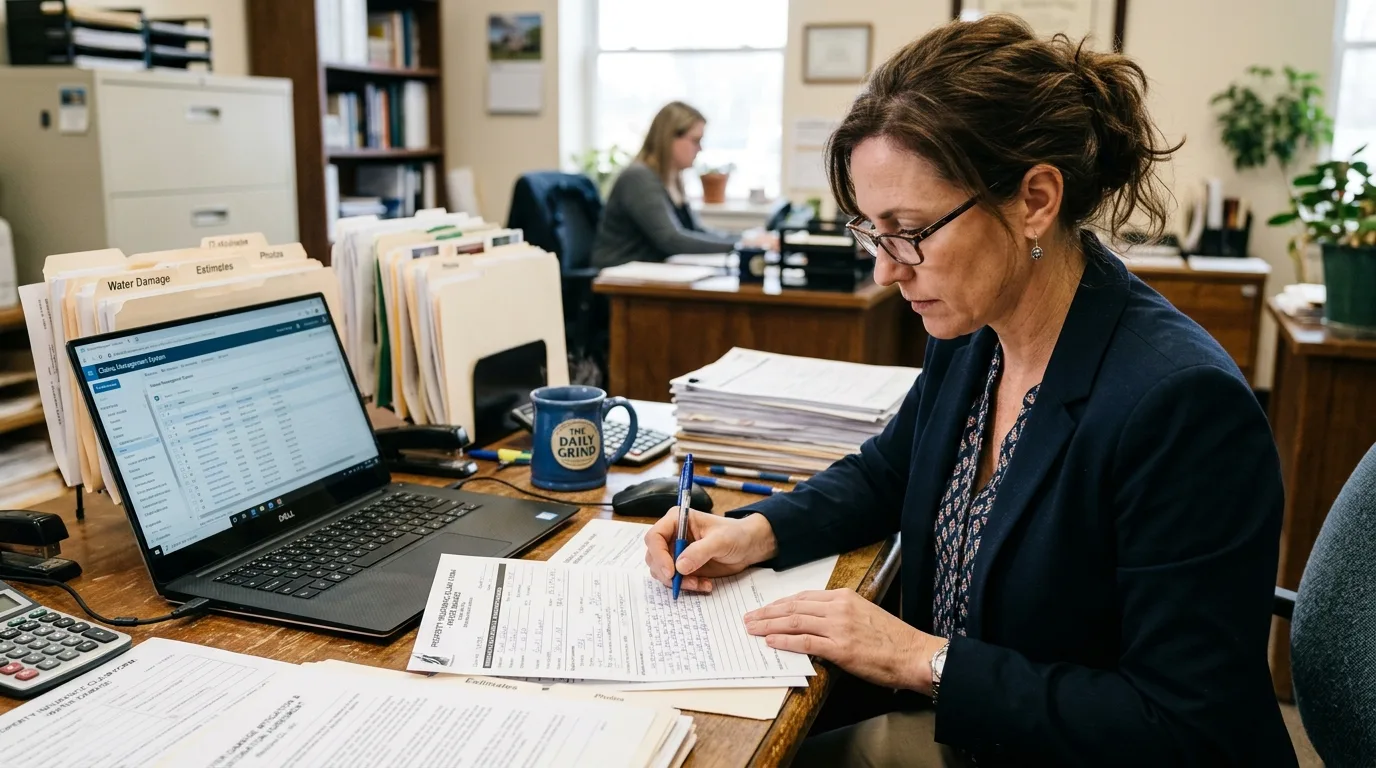
The most expensive mistake Utah homeowners make after water damage is assuming their insurance won’t cover it — and the second most expensive mistake is assuming it will. Homeowners insurance in Utah covers some water damage events and excludes others, and the difference depends on the source and classification of the water. In this post, we cover what’s covered, what’s excluded, how coverage interacts with Saratoga Springs’s specific water damage risks, and how to document a claim to maximize your recovery.
Water Damage in Saratoga Springs? We Help With Insurance Claims
We provide the documentation Utah County insurers require — scope of loss, moisture logs, photos. Call (877) 698-1311.
The Fundamental Rule: Sudden and Accidental vs. Gradual
Standard homeowners insurance in Utah covers sudden and accidental water damage. It does not cover gradual water damage from seepage, leaks, or deterioration that occurred over time.
This distinction determines coverage for the vast majority of water damage claims in Utah County:
- A pipe bursts overnight and floods your basement → Covered
- A supply line under the sink has been dripping for six months and damaged your cabinet → Not covered (gradual deterioration)
- Your water heater fails catastrophically and floods the utility room → Covered
- Your water heater has been corroding and leaking slowly for years → Not covered
- A washer supply line hose fails suddenly and floods the laundry room → Covered
The challenge is that the line between sudden and gradual is sometimes disputed by insurers. If there’s any evidence the leak predated the reported event — staining that looks older than the claim date, mold that would have taken weeks to develop — insurers may classify it as gradual damage and deny the claim.
Water Damage Events That Are Covered in Utah
Burst pipes: The most common covered water damage event in Saratoga Springs. Winter freeze-thaw cycles in January and February cause pipe failures that are universally covered under standard Utah homeowners policies.
Appliance failures: Washing machine overflow, dishwasher supply line failure, water heater failure, and refrigerator ice maker line failure are all covered when the event is sudden.
HVAC system failures: A/C condensate pans that overflow and drip into ceilings are covered as sudden water damage in most Utah policies.
Roof leak from covered peril: A storm that damages your roof, allowing rain intrusion, is covered. The key is that the roof damage must result from a covered peril (wind, hail) — not from wear and normal deterioration.
Plumbing accidents: A contractor accidentally damages a supply line during authorized work, causing flooding → covered.
Water Damage Events That Are NOT Covered in Utah
Flooding from outside the home: Surface water, storm surge, and groundwater rising into your basement from outside sources is NOT covered under standard homeowners insurance. This requires a separate National Flood Insurance Program (NFIP) policy or a private flood insurance policy.
Sewer and drain backup: Sewage backup through floor drains or toilet fixtures is NOT covered under standard policies. A sewage backup endorsement — typically $50–$150/year added to your policy — provides coverage. This endorsement is worth having in Saratoga Springs, where spring snowmelt routinely overwhelms municipal storm drainage systems.
Gradual leaks and seepage: Any water damage that developed over time from a slow leak, foundation seepage, or gradual deterioration is excluded.
Roof leaks from neglected maintenance: If your roof was known to be failing and you didn’t repair it, resulting water damage may be classified as a maintenance issue rather than a covered peril.
Mold from excluded events: Mold resulting from flooding (excluded) or gradual leaks (excluded) is not covered. Mold resulting from a covered event may be covered, but policy limits for mold are often lower than for the primary water damage.
Not Sure What Your Policy Covers? We Can Help Review It
We work with all major Utah County insurers and can help you understand your water damage coverage before filing a claim. Call (877) 698-1311.
How Saratoga Springs’s Water Damage Risks Interact With Coverage
Spring snowmelt basement flooding: This is the single most important coverage question for Saratoga Springs homeowners. If your basement floods because the water table rose and water seeped through your foundation — not covered. If your basement floods because a sump pump failed during a rain event — covered (if your policy includes sump pump failure coverage). If your basement floods because a municipal storm drain backed up into your floor drain — covered only with a sewer backup endorsement.
Understanding this distinction is critical for every Saratoga Springs homeowner before spring arrives. The drainage dynamics near Utah Lake create a situation where multiple water entry mechanisms can occur simultaneously — some covered, some not — during the same event.
Freeze-thaw pipe bursts: Universally covered, provided the home was maintained at a reasonable temperature. Insurers can deny claims when pipes froze because the home was intentionally left unheated, which is sometimes done improperly during winter vacations.
Foundation water intrusion from clay soils: Generally not covered — this is the gradual seepage that Lake Bonneville clay soils create in Saratoga Springs, a long-term maintenance issue rather than a sudden event.
How to Document a Water Damage Claim in Utah
The quality of your documentation directly affects the speed and amount of your insurance recovery. When a water damage event occurs:
-
Photograph everything before any cleanup. Take video if possible — it captures the scale better than photos. Include all standing water, all affected materials (carpet, drywall, insulation), all damaged personal property, and the failure point if identifiable.
-
Document the source. Identify and photograph the failed pipe, appliance, or breach point. Write down the exact date and time you discovered the damage.
-
Save all damaged items. Do not dispose of damaged property before your adjuster sees it. Insurers often require inspection of the actual damaged materials for personal property claims.
-
Get professional moisture documentation. Insurers increasingly require written moisture readings from calibrated instruments, not just visual evidence. A restoration professional can provide this as part of the initial assessment.
-
Report promptly. Most Utah homeowners policies require prompt reporting — delays can result in coverage questions. Report the same day if possible.
What to Expect From the Claims Process
After filing, your insurer will assign an adjuster. The adjuster inspects the damage, reviews your documentation, and produces a scope of loss — an itemized estimate of covered repairs. You can negotiate this scope if it excludes items you believe should be covered.
You are entitled to use your own contractor, not the insurer’s preferred vendor. The insurer’s preferred contractor has a financial relationship with the insurer that may not align with your interests. We work with all major Utah County carriers and provide the documentation they require while serving your interests as the homeowner.
Frequently Asked Questions
Does homeowners insurance in Utah cover sewer backup?
Standard homeowners policies do not cover sewer backup — it requires a separate endorsement, typically costing $50–$150/year. In Saratoga Springs, where spring snowmelt creates predictable drainage system overloads every year, this endorsement is genuinely worth adding. Contact your insurer to confirm whether you have it and to add it if not.
My insurance company sent an adjuster who estimated much less than my contractor’s quote. What do I do?
This is common and you have options. Request a line-by-line review of the adjuster’s scope versus your contractor’s estimate to identify specific discrepancies. Submit a written supplemental claim for items not included in the initial adjustment. If the dispute is significant, consider engaging a public adjuster — a licensed professional who advocates for policyholders — or an attorney. Document your position with professional estimates and repair documentation.
Can I file an insurance claim for water damage that happened months ago?
Most homeowners policies have a reporting window — typically you must report claims promptly after discovery. Claims reported months after the damage occurred face scrutiny about whether the damage is ongoing (covered) or was gradual and unreported (potentially excluded). Report claims as soon as you discover damage, even if you’re not sure whether it’s covered. The claim report doesn’t obligate you to proceed.
Filing a Water Damage Claim? We Provide the Documentation
Our moisture logs, scope of loss reports, and photo documentation are built to support Utah County insurance claims. Call (877) 698-1311.
Related: