New Homeowner's Guide to Water Damage Prevention in Saratoga Springs
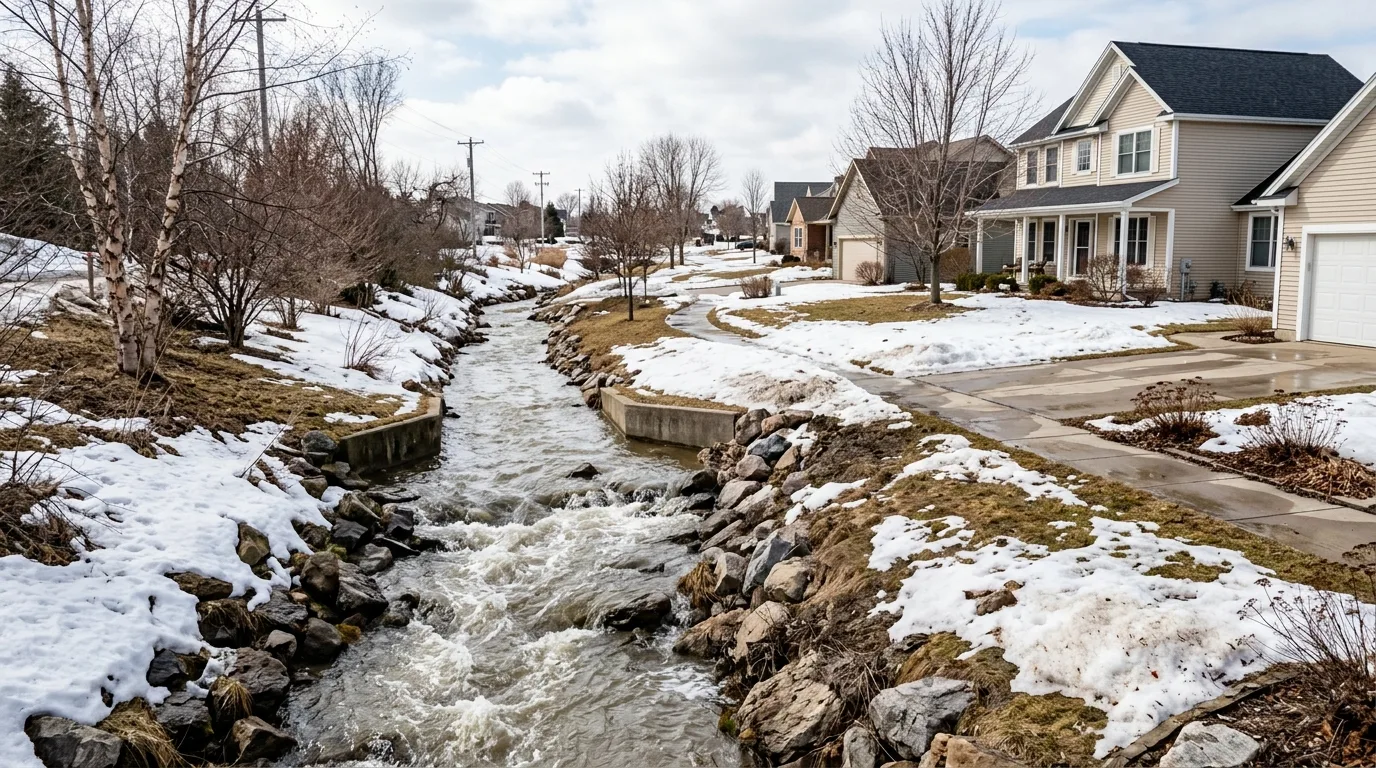
Saratoga Springs added more than 4,500 new residents in 2024 alone, making it the fastest-growing large city in Utah. A significant portion of those residents are new homeowners experiencing their first Utah winter and spring — seasons that bring water damage risks that are different in character and timing from what most newcomers expect. In this guide, we cover what new Saratoga Springs homeowners need to know about local water damage patterns, the seasonal maintenance steps that prevent the most expensive claims, and when to call a professional.
New to Saratoga Springs? Protect Your Home Before Water Season Starts
Free water damage prevention assessment for new Utah County homeowners. Call (877) 698-1311.
What Makes Saratoga Springs Different from Other Markets
Most of the water damage prevention advice available online is written for the national average — which doesn’t apply particularly well to Saratoga Springs. Here’s what’s specific to Utah County that new homeowners need to understand:
The freeze-thaw pipe cycle: Saratoga Springs winters include extended cold snaps where January averages 23°F at night, followed by thawing days. This cycle — not just the coldest temperatures — causes the most pipe failures. Pipes that survive the first hard freeze may burst during a thaw, then freeze again, weakening the wall progressively through the season. See our complete guide on frozen pipe prevention in Utah County.
Spring is flood season, not summer: Most newcomers from humid-climate states expect summer to be the wet season. In Saratoga Springs, April is the single wettest and highest-risk month — Wasatch Mountain snowmelt peaks at the same time as spring precipitation, creating massive drainage demands. Homes in Wildflower, Ridgehorne, and neighborhoods near the lake face the highest spring flood risk. Read our spring snowmelt flooding guide before April.
The soil under your home holds moisture: Lake Bonneville clay soils don’t drain quickly. They absorb and hold moisture against your foundation walls for weeks after a rain event, creating hydrostatic pressure and slow seepage that doesn’t show up as obvious flooding — just persistent basement dampness. See our detailed post on clay soil foundation water damage for what this means for your specific property.
Fall Checklist (September–October)
-
Clean gutters and extend downspouts. Gutters clogged with summer debris will overflow against the foundation during fall rains. Downspout extensions should discharge at least 6 feet from the foundation.
-
Test and service your sump pump. Pour water into the sump pit to confirm the float activates and the pump evacuates water completely. A pump that was working last spring may have issues after a summer of non-use. Install a battery backup.
-
Disconnect and drain garden hoses. Remove hoses from all exterior bibs before the first freeze. For non-frost-proof hose bibs, close the interior shutoff valve and open the exterior bib to drain remaining water.
-
Locate your main water shutoff. Find it, confirm it operates, and make sure everyone in the household knows where it is. In a burst pipe emergency, reaching it in the first minute matters enormously.
-
Inspect window wells. Clear debris from window well drain grates. Confirm wells drain adequately by pouring a bucket of water into each one and observing where it goes. Install window well covers to keep debris out through winter.
-
Check insulation on crawl space pipes. Add foam pipe insulation to any exposed supply lines in crawl spaces, garages, and exterior wall access points before temperatures drop.
New Home Water Risk Assessment in Saratoga Springs
We identify specific vulnerabilities in your home before they become expensive claims. Call (877) 698-1311 for a free assessment.
Winter Checklist (November–February)
-
Maintain minimum indoor temperature of 55°F even when away from home. The cost of continuous heating is trivial compared to a burst pipe claim.
-
Open cabinet doors under exterior-wall sinks during cold snaps. Pipes in kitchen and bathroom cabinets on exterior walls benefit from interior heat circulation when outdoor temperatures drop below 15°F.
-
Monitor weather forecasts for extended cold periods. When temperatures are forecast to stay below 20°F for more than 24 hours, increase your interior thermostat slightly and let faucets on vulnerable walls drip slightly overnight.
-
Know the signs of a slow pipe leak. Unexplained water pressure drops, the sound of running water with no fixtures in use, and mysterious increases in your water bill all warrant investigation.
-
Check attic insulation levels. Inadequate attic insulation causes ice dams at roof edges in Saratoga Springs winters — ice that backs up under shingles and causes roof leaks during thaw cycles.
Spring Checklist (March–May)
-
Inspect foundation perimeter before snowmelt peaks. Walk the perimeter and confirm grading slopes away from the house. Add soil where settled areas slope toward the foundation.
-
Clear drainage paths. Remove debris from swales, ditches, and drainage channels that direct snowmelt away from your property. Blocked drainage during snowmelt peaks to catastrophically.
-
Check window wells. Fill with fresh gravel if drainage gravel has compacted. Confirm covers are in place.
-
Test sump pump again. Spring is when it matters most — test it before the snowmelt peaks, not during.
-
Inspect roof and flashing after winter. Winter ice cycles loosen flashing at chimneys, vents, and valleys. Small flashing gaps cause significant water damage during spring rain events.
How to Choose Between DIY and Professional Water Damage Response
Homeowners can handle very minor, contained water incidents on their own — small amounts of water on a concrete surface caught immediately, for example. Professional response is required when:
- Water has contacted any porous materials (carpet, drywall, wood, insulation)
- Water has been sitting for more than 2 hours
- The affected area exceeds a bathroom or small utility room
- Any sewage is involved
- The source of the water is unclear
For new construction homes in Saratoga Springs specifically, call a professional if you see any of the 5 signs of water damage in new construction homes — these often indicate construction defects that require documentation for builder warranty claims.
Cost of Preventing vs. Repairing Water Damage
The math on prevention is straightforward. A foam pipe insulation kit for a typical Saratoga Springs home costs $50–$150. A sump pump battery backup costs $150–$300 installed. Gutter cleaning and downspout extensions run $100–$300. Window well covers are $30–$80 each.
The average water damage restoration in Saratoga Springs costs $2,079–$2,136 for a typical claim. Burst pipe damage runs $5,000–$70,000. Spring flooding in a 1,000 square foot basement runs $500–$10,000+. See our complete water damage restoration cost guide for Saratoga Springs for a detailed breakdown.
Frequently Asked Questions
What’s the most important thing a new Saratoga Springs homeowner should do before winter?
Know where your main water shutoff valve is and confirm it works. In a burst pipe emergency, reaching that valve in the first minute rather than the first hour is the difference between a $3,000 restoration and a $25,000 rebuild. It’s a 5-minute task that costs nothing and has enormous potential value.
Do new homes in Saratoga Springs have adequate drainage for spring snowmelt?
It varies significantly by builder and by the specific home’s location and grading. The city’s rapid growth has produced homes with a wide range in drainage system quality. Walk your property after a moderate rain and observe where water flows — if it’s pooling against your foundation or moving toward the house rather than away from it, you have a grading issue that needs correction before spring snowmelt.
How much does it cost to have a professional water damage assessment done on my new home in Saratoga Springs?
A professional moisture assessment using calibrated meters and thermal imaging cameras typically costs $150–$400 for a standard residential property — significantly less than the $2,079+ average water damage restoration claim. We offer free assessments for suspected active water damage events. For preventive inspections, contact us for current pricing.
Get Ahead of Water Damage Before It Happens in Saratoga Springs
Free prevention consultation for new Utah County homeowners. We help you identify risks before they become claims. Call (877) 698-1311.
Related: