Why Saratoga Springs Clay Soil Causes Foundation Water Damage
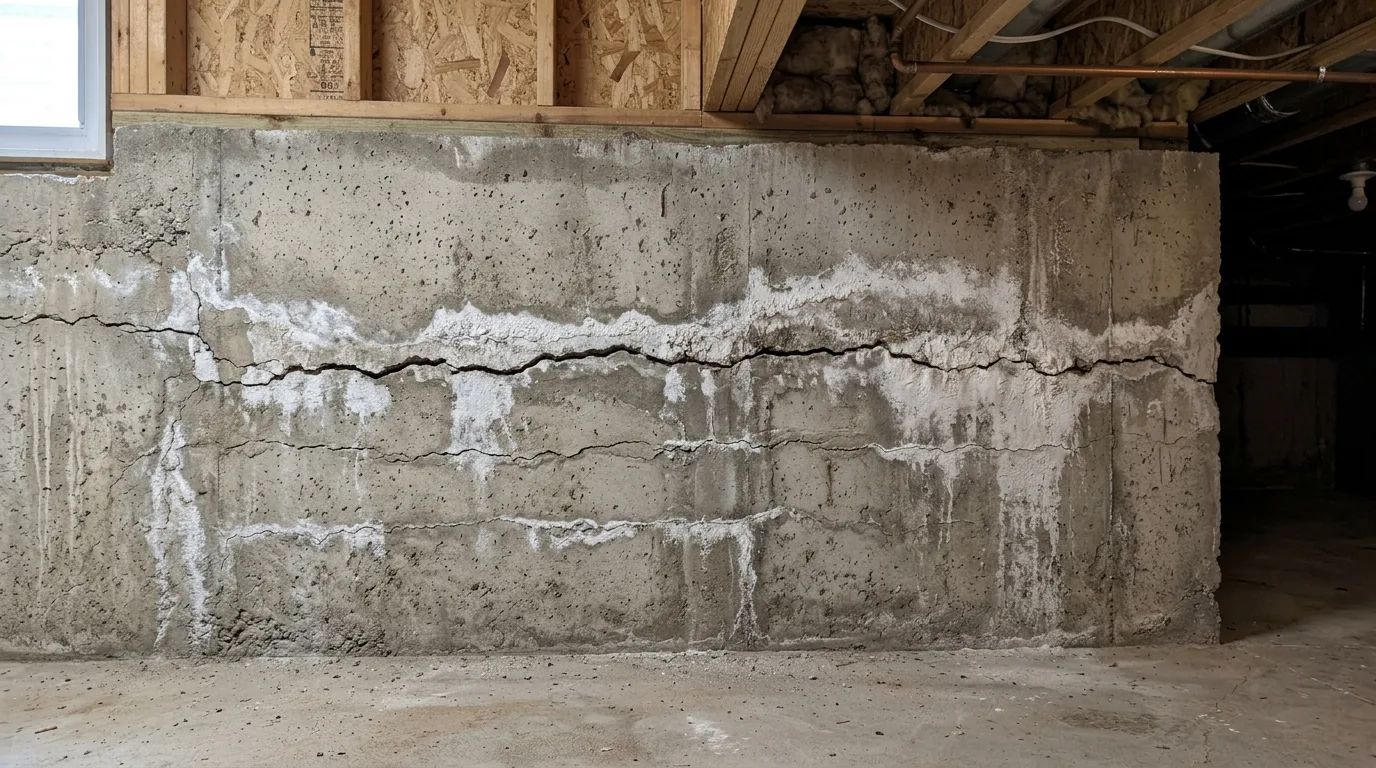
When homeowners near Utah Lake discover persistent basement moisture without any visible flooding, the culprit is almost always under their feet — not in the sky. Saratoga Springs sits on ancient Lake Bonneville lakebed deposits, a layer of clay-rich soil derived from the Manning Canyon shale formation that behaves fundamentally differently from the sandy or loamy soils found in other regions. Understanding what these soils do to your foundation is the first step toward preventing the expensive water damage they cause year after year.
Foundation Moisture in Saratoga Springs? Get a Free Assessment
We identify and address clay-soil moisture sources in Utah County homes using professional moisture detection equipment. Call (877) 698-1311.
What Makes Lake Bonneville Clay Soils Different
The ancient Lake Bonneville covered most of northern Utah approximately 14,000 years ago, and the lakebed sediments it left behind underlie much of Utah County — including virtually all of Saratoga Springs. These sediments are primarily composed of fine-grained clay and silt that have properties unlike most construction soils:
High plasticity: Lake Bonneville clays change volume significantly with moisture content. They absorb water and expand (called “swelling”), then lose water and contract (called “shrinkage”). This cycle repeats with every rainfall, irrigation season, and drought. The Interstate and Powell Clay Pits near Saratoga Springs exist specifically because this clay is commercially valuable — the same properties that make it useful for ceramics and brick make it problematic for foundations.
Low permeability: Clay soils don’t drain quickly. When saturated during spring snowmelt, they hold that moisture for weeks or months, maintaining continuous hydrostatic pressure against foundation walls long after surface conditions look dry. A heavy April rain event may produce wet foundation walls through June in Saratoga Springs.
Liquefaction potential: Near Utah Lake, where the water table is closer to the surface and soils have higher saturation potential, there is documented liquefaction risk during seismic events — a condition where saturated clay and silt loses structural integrity. This is a long-term risk consideration for homes in Northshore and lakeside neighborhoods.
How Clay Soils Damage Foundations
The swelling and shrinkage cycle is the primary damage mechanism. When clay adjacent to a foundation wall absorbs water during spring, it expands and presses against the concrete or block with significant lateral force. This pressure can cause wall cracking, bowing inward, and displacement of footing-grade concrete. When the clay dries and shrinks during summer or during drought conditions, it pulls away from the foundation wall, creating gaps that allow rapid water entry when the next rain event saturates the soil again.
Foundations in Saratoga Springs that were constructed without adequate drainage systems — drain tile, exterior waterproofing membrane, gravel backfill — experience this pressure cycle directly on the concrete. Over time, even well-poured concrete develops hairline cracks at points of stress concentration: around window openings, at wall base transitions, and at cold joint lines where pours were made at different times. These cracks then become pathways for water migration into the basement.
Persistent Basement Moisture in Saratoga Springs? We Can Help
Our Utah County restoration team addresses both the water damage and the underlying clay-soil moisture pathway. Call (877) 698-1311.
Practical Uses: What Clay Soil Moisture Means for Different Homeowners
-
New home buyers in Highridge or Wildflower: Request drainage system documentation from the builder — specifically confirmation that drain tile was installed at the footing and that exterior waterproofing membrane was applied. These are not standard on all Utah County construction and make a significant difference in long-term moisture performance.
-
Owners of homes near Utah Lake (Northshore, Wander): Homes in lower-elevation areas near the lake face both the highest water table and the most saturated clay conditions. A professional waterproofing assessment is worth the cost for any home in these areas showing signs of basement moisture.
-
Homeowners with efflorescence on basement walls: The white mineral deposits are diagnostic of ongoing moisture migration through concrete. This is clay-soil hydrostatic pressure doing exactly what it does in Saratoga Springs — it needs to be addressed proactively, not painted over.
-
Homeowners with cracked foundation walls: Clay swelling creates lateral pressure that causes cracks. A structural engineer should evaluate any crack wider than 1/4 inch or showing horizontal or stair-step cracking patterns, which indicate lateral pressure from soil loading.
-
Investors buying older Saratoga Springs properties: Homes built in the early 2000s at the beginning of the city’s growth boom were sometimes built with inadequate drainage for Utah County clay-soil conditions. Older homes should receive drainage system inspections before purchase.
How to Address Clay Soil Foundation Moisture
Exterior drainage correction: The most effective long-term solution for clay-soil moisture pressure is properly installed exterior drain tile at the footing level combined with exterior waterproofing membrane on the foundation wall. This approach addresses the problem at its source by intercepting water before it reaches the wall. It requires excavation and is more expensive than interior solutions but provides more complete protection.
Interior drain tile system: An interior French drain system installed along the basement perimeter collects water that has already entered through foundation walls and routes it to a sump pump. This doesn’t prevent water from entering the wall but prevents it from accumulating on the floor. Less expensive than exterior excavation and effective when the primary goal is keeping the basement dry rather than preventing moisture migration through the wall itself.
Improved site drainage: Grading corrections, extended downspouts, and removal of landscape features that hold water against the foundation reduce the volume of water that saturates the clay adjacent to your foundation. These are relatively inexpensive interventions that can significantly reduce hydrostatic pressure during normal precipitation events.
The Connection to Water Damage Restoration
Foundation moisture driven by Lake Bonneville clay soils isn’t always dramatic flooding — it’s often the persistent dampness that creates conditions for mold remediation work throughout the year. When we conduct moisture assessments in Saratoga Springs homes, we use thermal imaging cameras to identify cold, damp areas behind finished walls that indicate clay-soil moisture migration even without visible basement water. These areas are reliably mold-producing over time.
If you’re dealing with mold in a Saratoga Springs basement that has “never flooded,” the explanation is almost certainly gradual clay-soil moisture migration — a construction drainage issue, not a dramatic water event. Addressing this properly means eliminating the moisture pathway, not just treating the mold. See our guide on hidden mold in Utah County homes for the warning signs.
Frequently Asked Questions
Is foundation movement from clay soils covered by homeowners insurance in Utah?
Foundation movement resulting from expansive clay soils is generally classified as gradual settling or ground movement, which is excluded from standard homeowners insurance. The water damage that results from cracks opened by clay swelling may be covered if the water entry is sudden — but the underlying soil movement is not a covered peril. Foundation waterproofing and drainage corrections are maintenance investments, not insurance claims.
How do I know if my Saratoga Springs home has clay soil foundation issues?
The most reliable early indicators are efflorescence (white mineral deposits on basement walls), persistent basement humidity without obvious flooding source, hairline cracks at foundation wall corners or around window openings, and doors or windows that stick seasonally (foundation movement changing the building geometry). A professional moisture assessment can quantify moisture levels in structural materials and identify where water is entering.
Does new construction in Saratoga Springs have adequate clay-soil drainage?
It varies. Utah County does not universally require exterior drain tile or waterproofing membrane on residential construction — these are design choices that individual builders make. Higher-end builders typically include them; production builders cutting costs sometimes do not. Ask your builder specifically what drainage system was installed at the footing level and request documentation. This question is worth asking before purchase, not after discovering basement moisture.
Clay Soil Moisture Is Predictable — We Know How to Stop It
Saratoga Springs Water Damage Restoration addresses clay-soil foundation moisture with permanent solutions. Call (877) 698-1311 for a free assessment.
Related: